Electric moped vs e-bike vs e-scooter: what’s best (and legal) in London
What’s legal, what needs a licence, and which actually suits a London commute.
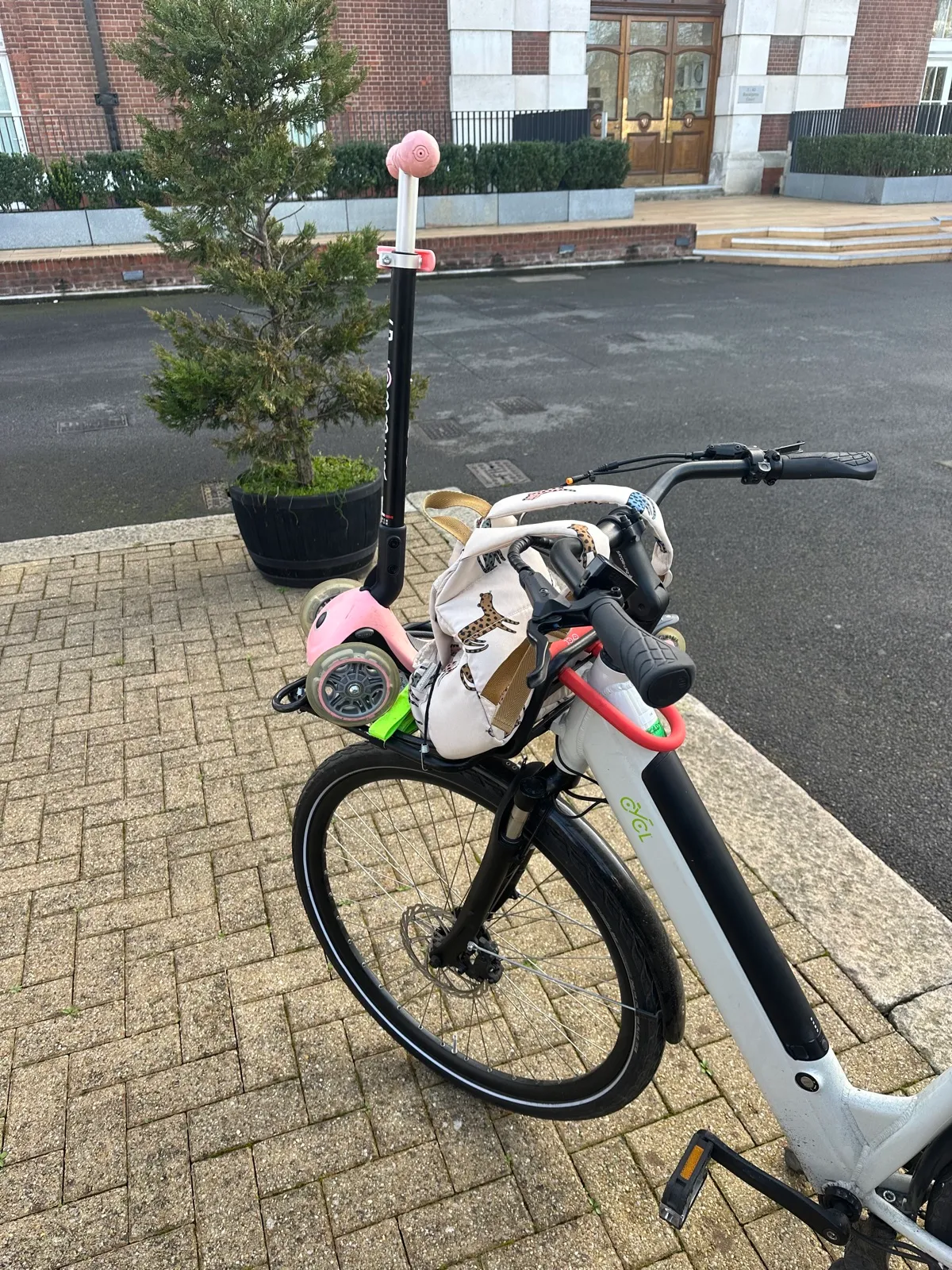
Electric moped, e-bike or e-scooter — which is best for commuting in London?
For a London commute the realistic choices are an electric moped or an electric (cargo) bike — because privately owned e-scooters are not legal to ride on public roads, cycle lanes or pavements in the UK; only government-approved rental-scheme e-scooters are. An electric moped (with a CBT) is fastest and best for longer trips; an electric bike (no licence) is best if you want to skip the CBT and use cycle lanes.
So if you were considering buying an e-scooter to commute, the legal — and more capable — options are a moped or an e-bike. Moon Fleets offers both on flexible monthly rental at £125–£289, fully electric, ULEZ-exempt, with insurance, servicing and GPS included.
Why aren’t private e-scooters a legal option in London?
Private e-scooters are widely sold, but in the UK it is currently illegal to ride a privately owned e-scooter on public roads, in cycle lanes or on pavements. Only e-scooters from official government rental trials can be used legally, and only in certain areas. Riding your own can mean a fine and points.
That makes an e-scooter a poor basis for a daily commute. An electric bike or moped gives you a vehicle you can actually, legally ride every day.
Moped vs e-bike: which suits your commute?
An electric moped is faster (up to 50–60 mph on the bigger models), covers more ground, and is ideal for longer or cross-town commutes — but it needs a CBT. An electric cargo bike needs no licence, uses cycle lanes, and is perfect for shorter trips or if you’d rather not take a CBT.
Both are fully electric and ULEZ-exempt. Use our guide on which electric moped suits your commute, or compare the whole fleet.