Electric vs petrol moped: why electric wins in London
Running cost, ULEZ, maintenance, noise and convenience — the honest head-to-head for city riders.
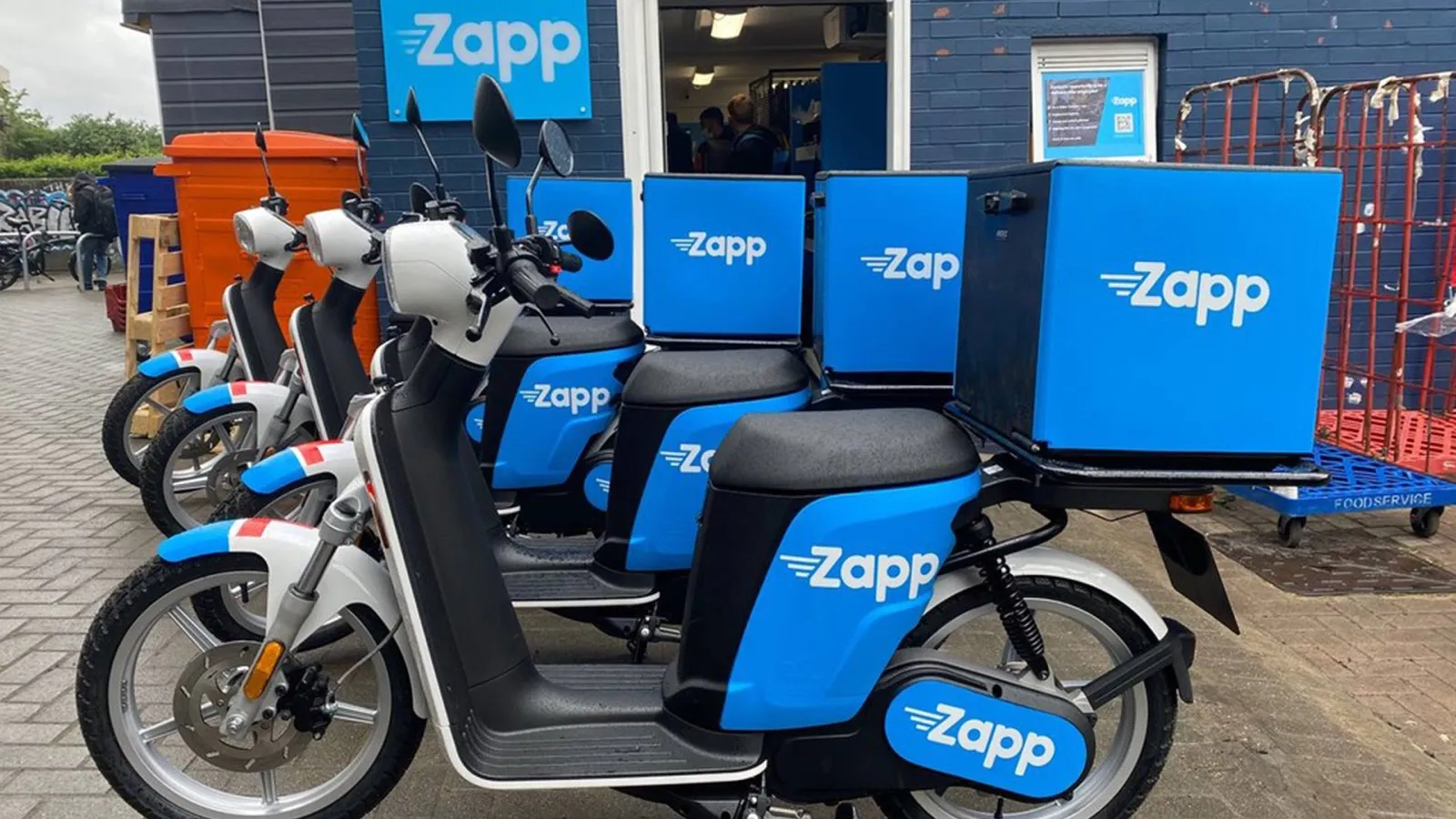
Is an electric moped better than a petrol moped in London?
For city riding, an electric moped beats a petrol one on almost every count that matters in London: it’s ULEZ-exempt (a petrol moped may not be), costs about £2 a week to charge versus far more in fuel, has fewer moving parts to maintain (no oil, clutch or exhaust), is near-silent, and delivers instant torque off the line through traffic. You also charge a removable battery at home instead of visiting a petrol station.
A petrol moped’s only real edge is fast refuelling on very long trips — rarely relevant for a London commute. On a Moon Fleets subscription the electric advantages come bundled: insurance, servicing, GPS and an anti-theft lock in one monthly price — £125–£179.
What does an electric moped cost to run?
Electricity is cheap: a full charge costs pennies, and most commuters spend about £2 a week. Petrol — plus oil changes and more frequent servicing — costs considerably more over a year.
Then there’s ULEZ. An electric moped is exempt and pays £0; an older petrol moped may face a daily charge. Both are exempt from the Congestion Charge, but only electric guarantees no ULEZ cost.
What are maintenance, noise and the ride like?
Electric drivetrains have far fewer moving parts — no oil to change, no clutch, no exhaust — so there’s simply less to go wrong and less routine maintenance. On a subscription, that servicing is included anyway.
They’re also quiet (better for early-morning starts and for the city), and the instant torque makes them genuinely quick away from the lights — exactly where you gain time in traffic.